


The Summer of Perplexity Continues
In Part I of this series, we talked about how Perplexity launched Comet, its AI-native browser, in a direct attack on entrenched incumbents like Google Chrome. That move was bold enough. If you would like a recap of Part I, you can check that out below.

But this month, things have only continued to heat up. Perplexity has reportedly offered a staggering $34.5 billion all‑cash bid to acquire Google Chrome—a figure that obliterates its own ~$18 billion valuation. If you thought the browser wars were already over, think again—this movie is just getting good.
Yes, you read that right. A company valued privately at around $18 billion, with less than 2% of browser market share, just announced it wants to acquire Chrome — the crown jewel of Google’s distribution machine. 🚨This is not a drill 🚨
“Interesting to see Perplexity with 1.9% market share at $18B offering $34B for Chrome. While Antitrust pressure may force Google to sell Chrome, it is central, so selling is unlikely. But Perplexity intent is more of PR positioning of Perplexity as contender in AI Search.” — @JabesUSR
If Part I felt like a surprise strike, Part II is the public declaration of the Browser Wars.
Can David Really Beat Goliath?
If history tells us anything, it’s that you can never count out a small scrappy startup. But Goliath rarely goes down without a fight.

Historical Parallels Part I: Netscape vs Microsoft
If Perplexity’s gambit feels familiar, it should. The history of the internet is chock-full of similar PR stunts and gimmicks. Take Netscape vs. Internet Explorer, for example.
The Netscape web browser was once dominant but lost to Internet Explorer (IE) in the first browser war (literally). In 1998, AOL famously bought Netscape for billions at the peak of dot-com bubble. While this appears to be a great outcome on paper, the deal was massively disappointing to Netscape, which saw its market share fall from over 90% in the mid-1990s to less than 1% by 2006. As a last-ditch effort to fend of Microsoft’s looming IE dominance, Netscape open-sourced its browser code in January 1998. It wasn’t done. Only a few months later in May 1998, the United States Department of Justice filed an antitrust case against Microsoft. While Netscape was technically not a plaintiff in the case, its executives were subpoenaed, and it contributed material to the case. The central argument? Internet Explorer’s $0 price.
Microsoft set a zero price for its browser for the purpose of depriving Netscape of revenue and protecting its operating system monopoly.
Unfortunately, by this time, it was too late. The damage was done, and Netscape’s share of the browser market never recovered.
Historical Parallels Part II: When Challengers Emerged Victorious
While it’s rare for a small tech company to literally "buy" a larger, more established one, there are certainly past examples where smaller, more agile players have successfully challenged and disrupted larger incumbents. While sometimes this leads to the bigger company acquiring the smaller one, often the smaller company's innovation forces a major shift in the larger company's strategy.
A few notable examples from the past:
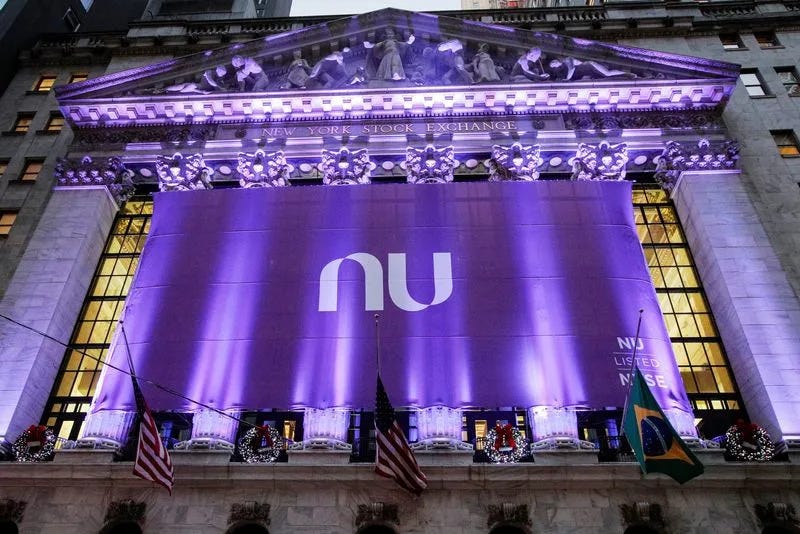
Nubank takes on Brazil’s incumbent banks: Nubank, a digital bank startup, identified a gap in the Brazilian banking sector due to high fees and poor service from incumbents. They leveraged smartphone adoption to create a digital-first banking experience, attracting over 90 million customers and reaching a $40 billion market cap, effectively outmaneuvering traditional banks.
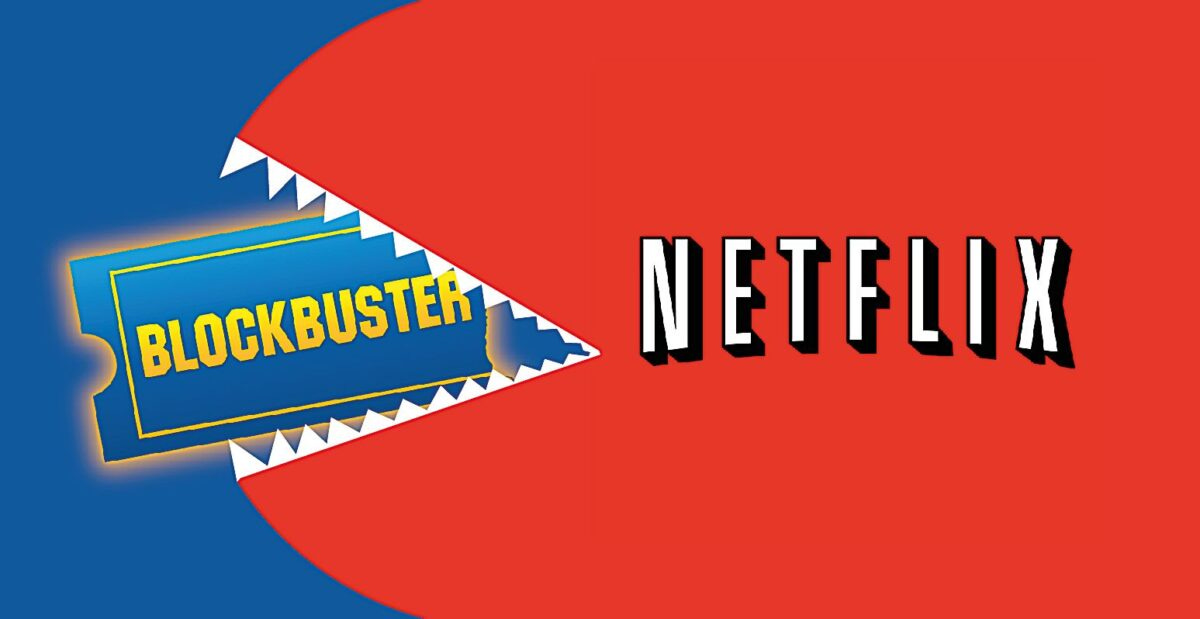
Netflix gets the last laugh against Blockbuster: The Perplexity–Chrome saga also channels one of the most iconic David vs. Goliath battles in modern business history: Netflix vs. Blockbuster. At one time, Blockbuster was the undisputed giant — a $6 billion behemoth with thousands of retail stores and near-monopoly distribution of home entertainment. Netflix? A scrappy mail-order DVD startup that looked like a niche curiosity. When Reed Hastings offered to sell Netflix to Blockbuster for $50 million in 2000, Blockbuster literally laughed them out of the room. Fast forward a decade: Blockbuster filed for bankruptcy. Netflix not only survived — it reinvented how the world consumes entertainment.
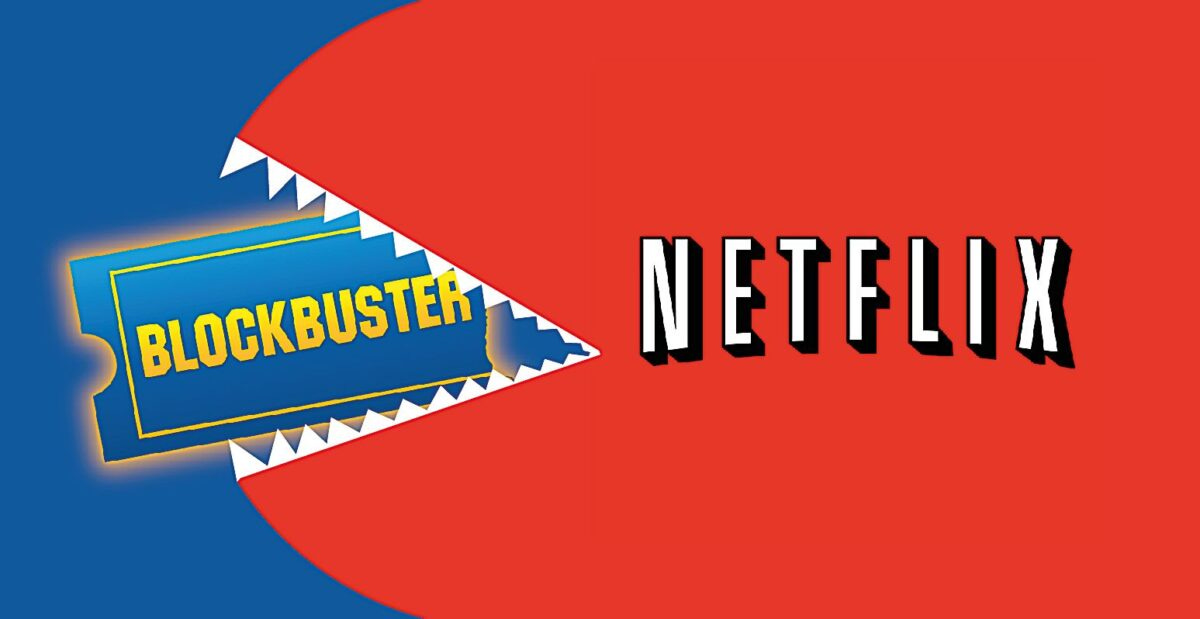
The case study of how Netflix took down Blockbuster continues to be taught in business school classes around the world.
What’s Really Going On? Perplexity’s Chess Move
Perplexity isn’t alone in reshaping browsers with AI. Edge has Copilot, Opera has Aria, Safari is adding in Apple Intelligence (lol), Brave has Leo, and Firefox is experimenting with OpenAI and Gemini (writes Brian from his Chat-GPT enabled Firefox browser). Everyone is racing to slap “AI” on their browser before its too late.
Still, Perplexity stands out because it’s skipping incremental product announcements and going straight for the jugular. It’s not just saying, “We built a cool AI-browser.” It’s saying, “We might buy the browser you use every day.”
Here are a few other narratives to watch:
Antitrust Angle: With DOJ cases ongoing, Chrome could be forced to spin out. As many have noted, even seasoned DOJ lawyers are parsing this bid for its antitrust implications. Perplexity’s positioning, then, is smart theater: “If you’re going to break it up, break it with us taking care of it.”
AI is Eating Traditional Search: Generative AI’s impact on search is undeniable and multifaceted. As consumers shift discovery and commerce to AI-native platforms, the opportunity ahead is greater than ranking in AI search rankings. The agentic internet is reshaping all aspects of consumer behavior, and Big Tech incumbents like Google will need to rapidly innovate to navigate this change.
Chrome: The Crown Jewel: Chrome isn't just a browser—it’s a distribution engine for Google’s ecosystem. Many argue Chrome functions more as leverage to lock in ad, search, and browser control—not a neutral platform. A forced Chrome divestment would crack open a critical lever in Google’s competitive advantage. Google would likely fight tooth and nail rather than hand it over.
An Elaborate Recruiting Scheme: Nothing excites top engineers like being on the “crazy but possible” team. This type of aggressive moonshot tactic will surely help Perplexity recruit top AI engineers.
Brand Play: Attention is currency. A Chrome headline guarantees global awareness, far beyond what a video about a new AI feature would generate. By throwing out a $34.5B number, Perplexity signals to VCs: “Price Gone Up”
Conclusion: Your Move, Google.
Chrome once looked like Silicon Valley’s impenetrable stronghold. Now it has a cocky, well capitalized rookie challenging it for its starting spot with the entire internet watching. Welcome to the new frontlines of the browser wars.

Disclaimer: The information contained in this article is not investment advice and should not be used as such. Investors should do their own due diligence before investing in any securities discussed in this article. This article is based on my opinions and should be considered as such, not a point of fact. Views expressed in posts and other content linked on this website or posted to social media and other platforms are my own and are not the views of NextEra Energy Investments (NEI) or NextEra Energy (NEE: NYSE).